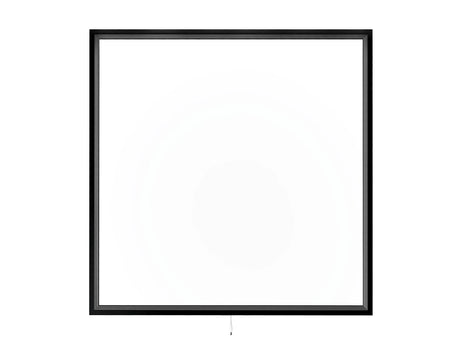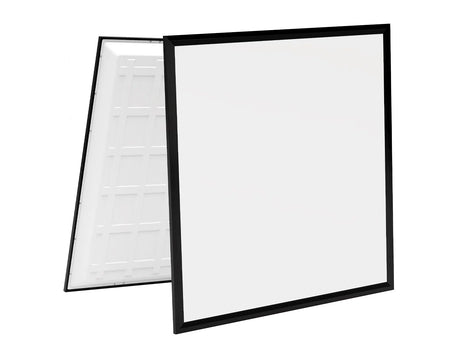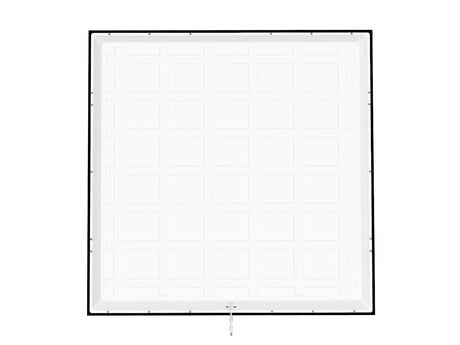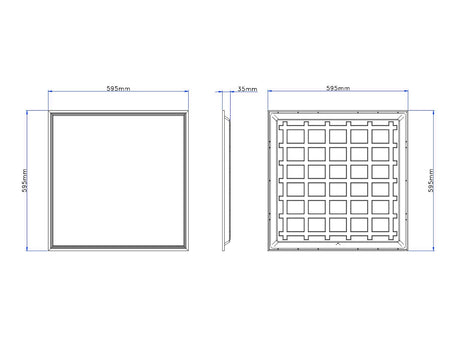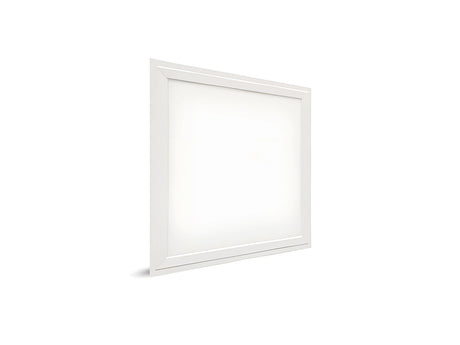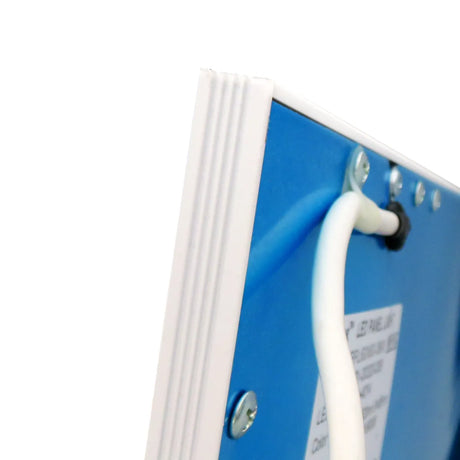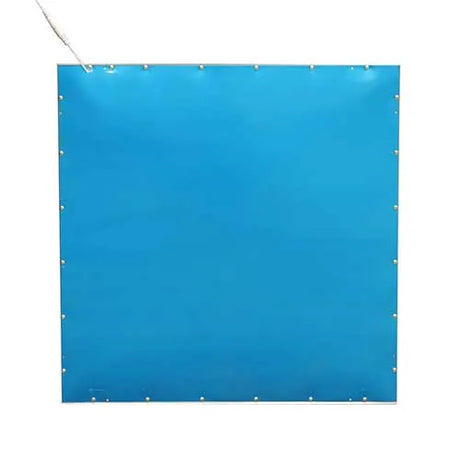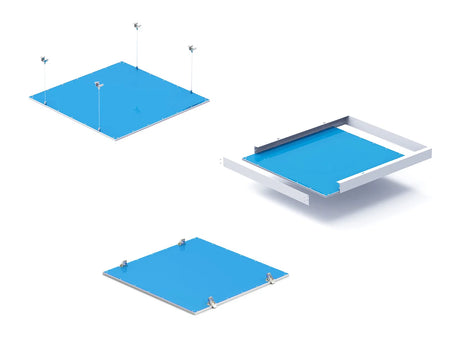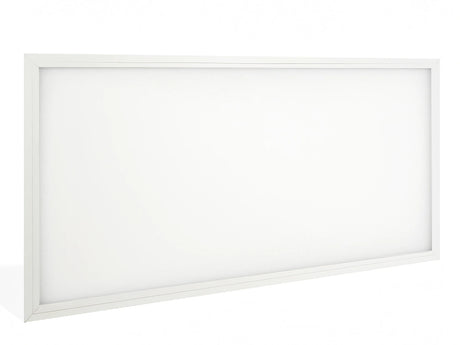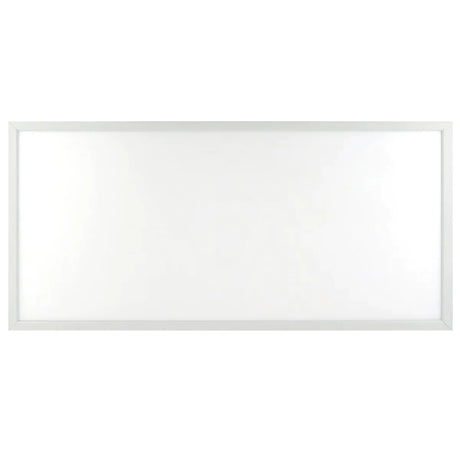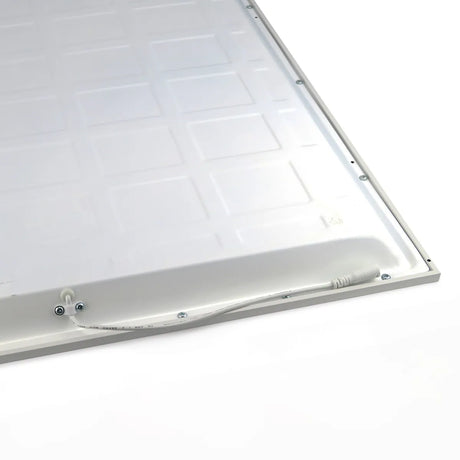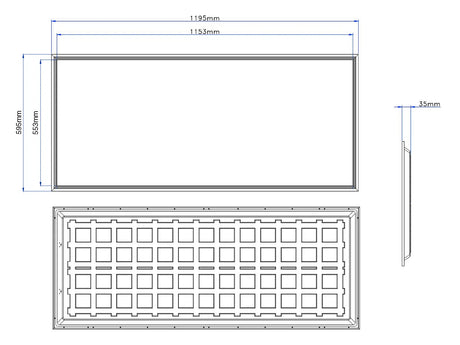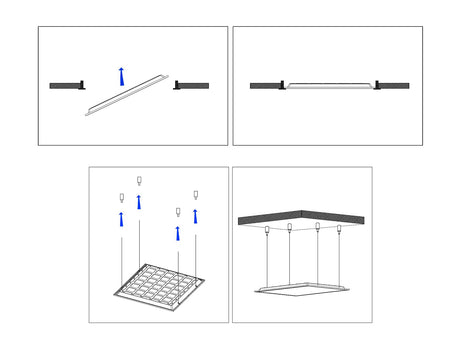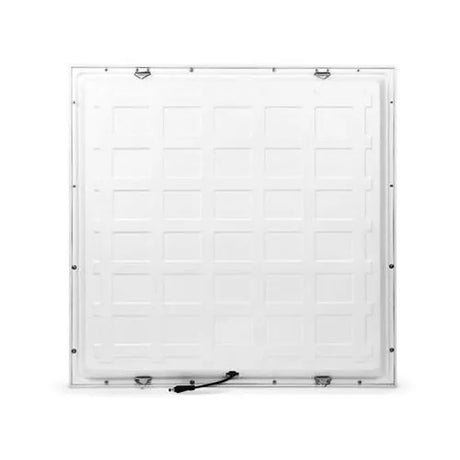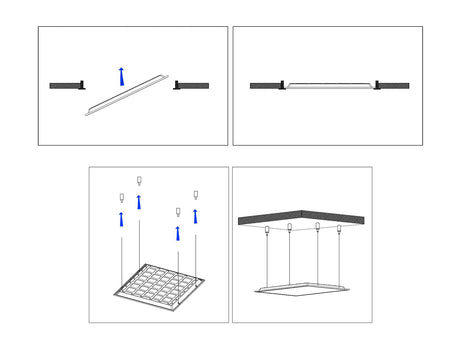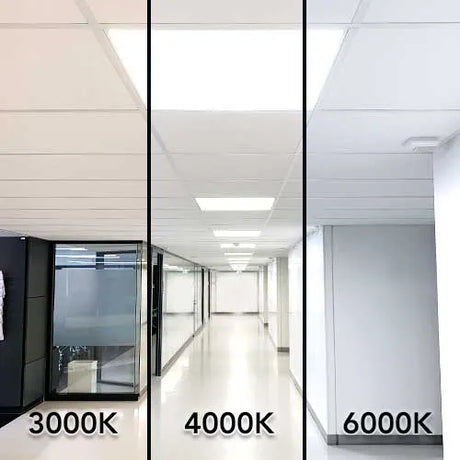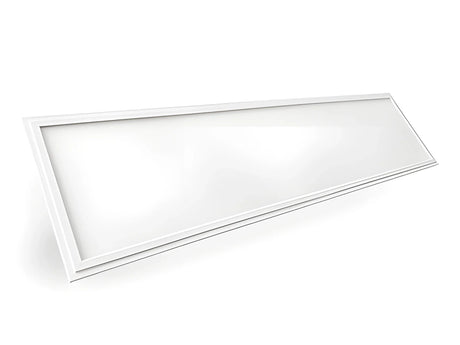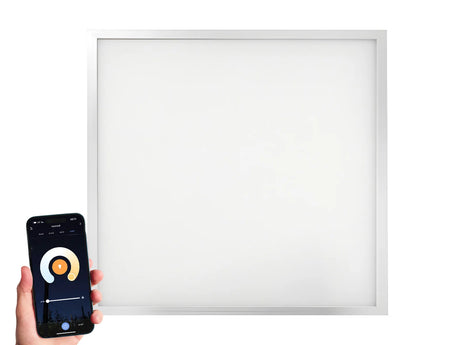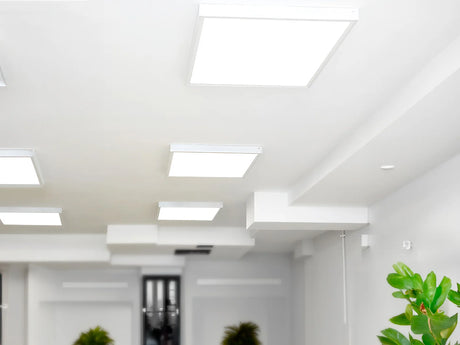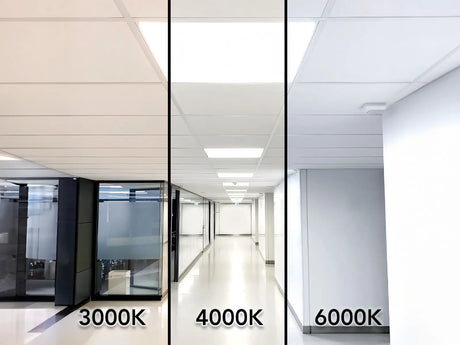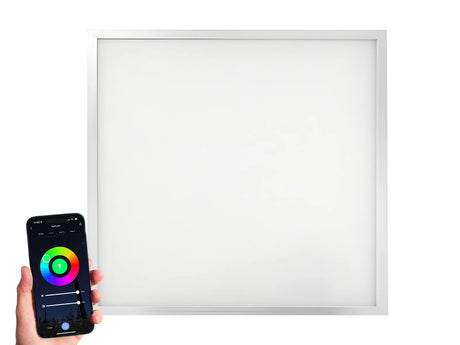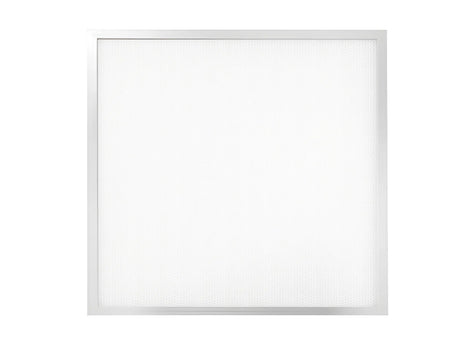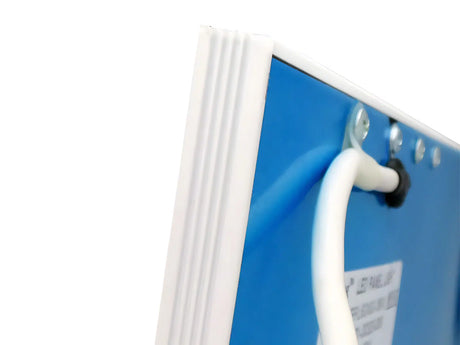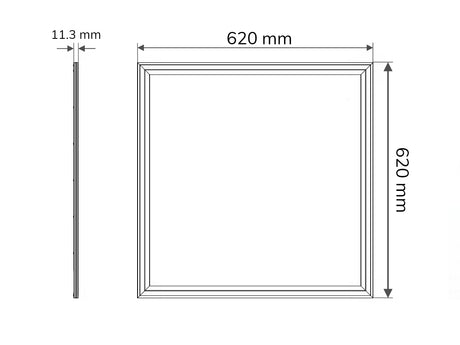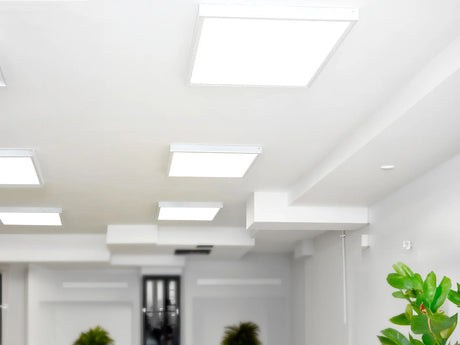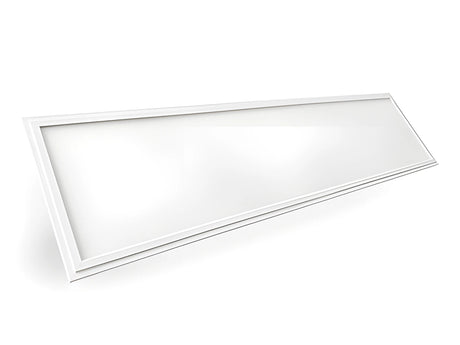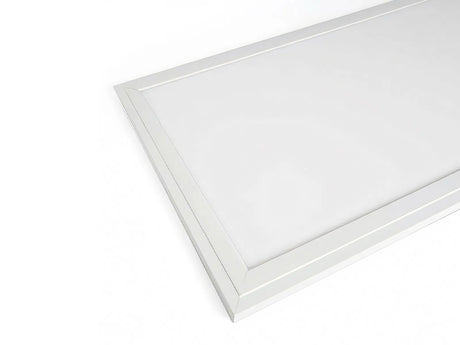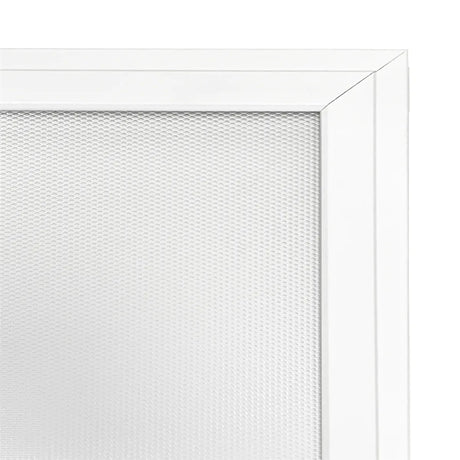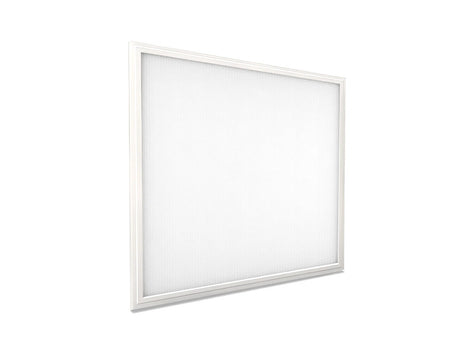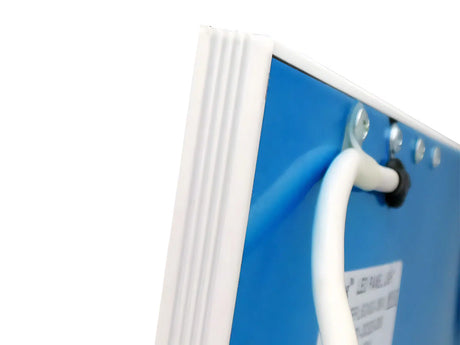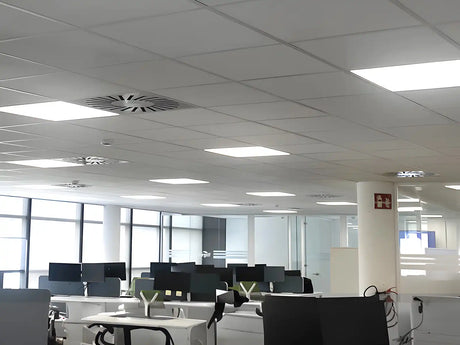



Durable - 50,000 hours lifespan | Optional dimmable | White frame
In stockRegular priceFrom €3995 Incl. VATUnit price-
- WiFi
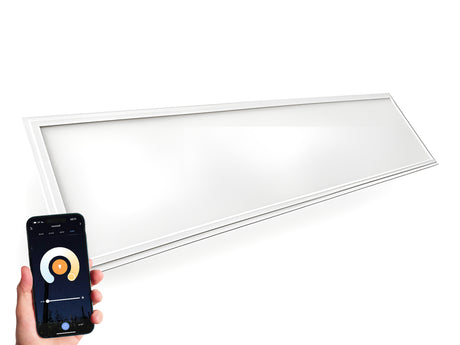
WiFi LED Panel 30x120cm 36W 100lm/W - Adjustable light color CCT
Durable - 50,000 hours lifespan | Direct with WiFi | 5 Year warranty
In stockRegular price €7695 Incl. VATUnit price -
- Anti-glare
LED Panel 60x60cm 28W 140lm/W Adjustable Light Color (CCT)
Durable - 50,000 hours | 5 Year warranty | Adjustable light color
Regular priceFrom €3095 Incl. VATUnit price -
- Anti-glare
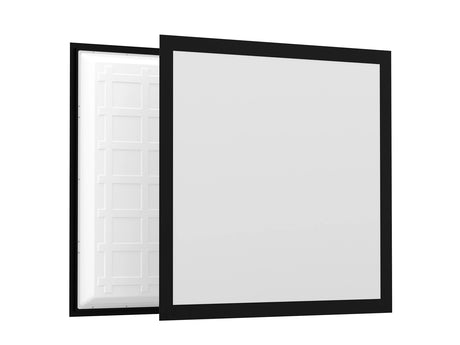
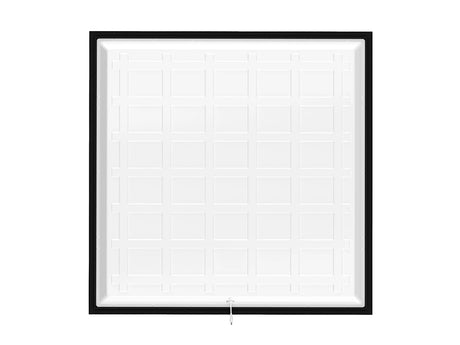
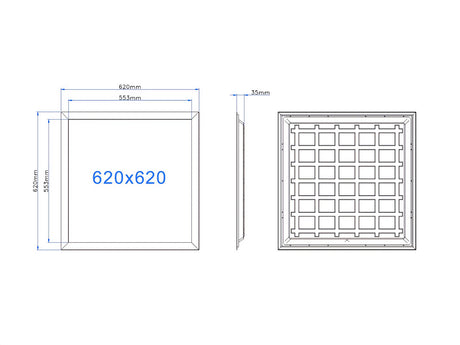
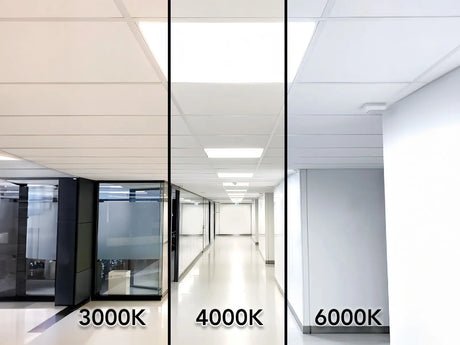
Black LED Panel 62x62cm - 36W - 140lm/W - Adjustable Light Color CCT
70% Savings | Optional dimmable | Black frame
In stockRegular priceFrom €3095 Incl. VATUnit price -
- Anti-glare
Black LED Panel 60x60 cm - 36W - 140lm/W - Adjustable Light Color CCT
70% Savings | Optional dimmable | Black edge
In stockRegular priceFrom €2995 Incl. VATUnit price -
- WiFi
WiFi LED Panel 60x60cm 36W 100lm/W - Adjustable light color CCT
Durable - 50,000 hours lifespan | Direct with WiFi | 5 Year warranty
In stockRegular price €7195 Incl. VATUnit price -
- Anti-glare
LED Panel 60x60cm UGR<19 28W 140lm/W
Durable - 50,000 hours lifespan | 5 Year warranty | Anti glare
In stockRegular priceFrom €3195 Incl. VATUnit price -
Slim LED Panel 60x60cm 36W - Adjustable light color CCT + Color (RGB)
Durable - 50,000 hours lifespan | Optional with WiFi | 5 Year warranty
Regular priceFrom €9795 Incl. VATUnit price-
Slim LED Panel 30x30cm 18W - Adjustable light color CCT + Color (RGB)
Durable - 50,000 hours lifespan | Optional with WiFi | 5 Year warranty
In stockRegular priceFrom €7995 Incl. VATUnit price-
- Anti-glare
LED Panel 60x60cm UGR<19 36W 120lm/W
Durable - 50,000 hours lifespan | 5 Year warranty | Anti glare
In stockRegular priceFrom €3795 Incl. VATUnit price -
Set of 6 pcs | LED Panel 60x120cm 60W 110lm/W
Durable - 50,000 hours lifespan | Optional dimmable | White frame
In stockRegular priceFrom €27995 Incl. VATUnit price-
- Anti-glare
LED Panel 62x62cm UGR<19 28W 140lm/W
Durable - 50,000 hours lifespan | 5 Year warranty | Anti glare
In stockRegular priceFrom €3495 Incl. VATUnit price -
Durable - 50,000 hours lifespan | 5 Year warranty
In stockRegular priceFrom €3695 Incl. VATUnit price-
LED Panel 30x150cm UGR<19 36W 140 lm/W
Durable - 50,000 hours | Optional dimmable | White frame
In stockRegular priceFrom €7095 Incl. VATUnit price-
- WiFi
WiFi LED Panel 62x62cm 36W 100lm/W - Adjustable light color CCT
Durable - 50,000 hours lifespan | Direct with WiFi | 5 Year warranty
In stockRegular price €7295 Incl. VATUnit price -
Slim LED Panel 62x62cm 48W - Adjustable light color CCT + Color (RGB)
Durable - 50,000 hours lifespan | Optional with WiFi | 5 Year warranty
Very low stockRegular priceFrom €11995 Incl. VATUnit price-
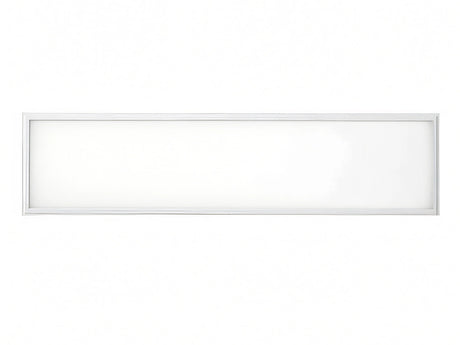
LED Panel 30x120cm 36W 140lm/W
Durable - 50,000 hours lifespan | 5 Year warranty | Energy efficient
In stockRegular priceFrom €4495 Incl. VATUnit price-
Durable - 50,000 hours lifespan | 5 Year warranty | Energy efficient
In stockRegular priceFrom €3495 Incl. VATUnit price-
- Anti-glare
LED Panel 60x120cm 45W 140lm/W Adjustable Light Color (CCT)
Durable - 50,000 hours | 5 Year warranty | Adjustable light color
Regular priceFrom €8295 Incl. VATUnit price -
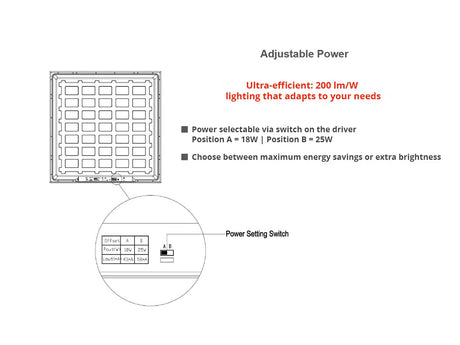
- Ultra efficientUp to 22% off
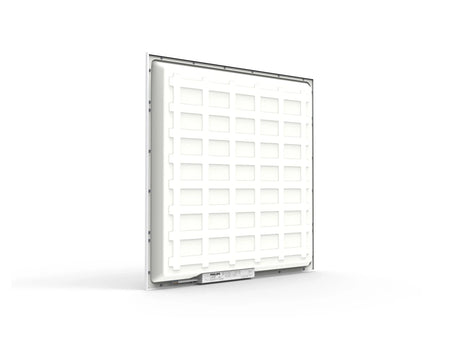
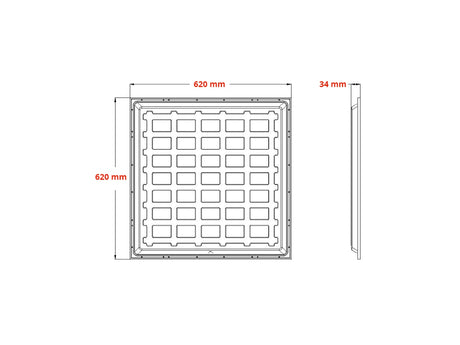
LED Panel 62x62cm Adjustable 18W or 25W 200lm/W
Durable - 50,000 hours lifespan | Optional dimmable | Anti-glare
In stockSale priceFrom €4495 Incl. VAT Regular price €5795Unit price -
- Anti-glare
LED Panel 30x120cm 28W 140lm/W Adjustable Light Color (CCT)
Durable - 50,000 hours | 5 Year warranty | Adjustable light color
In stockRegular priceFrom €3895 Incl. VATUnit price -
Set of 8 pcs | LED Panel 60x60cm 36W 110lm/W
Durable - 50,000 hours lifespan | Optional dimmable | White frame
In stockRegular priceFrom €16995 Incl. VATUnit price-
Durable - 50,000 hours lifespan | 5 Year warranty | Energy efficient
In stockRegular priceFrom €4495 Incl. VATUnit price-
- Anti-glare
LED Panel 62x62cm UGR<19 40W 120lm/W
Durable - 50,000 hours lifespan | 5 Year warranty | Anti glare
In stockRegular priceFrom €3695 Incl. VATUnit price -