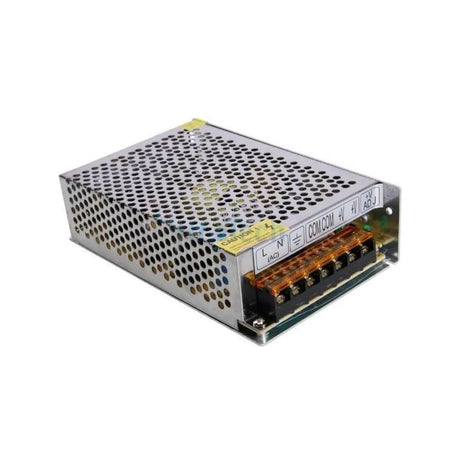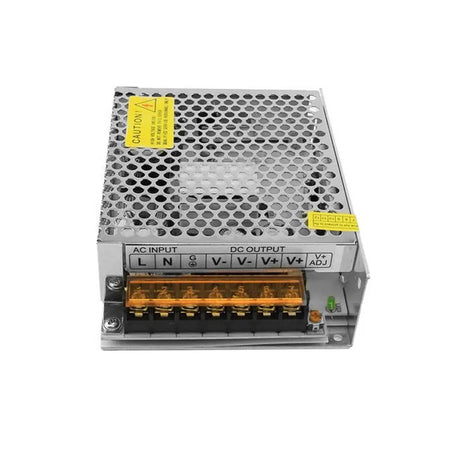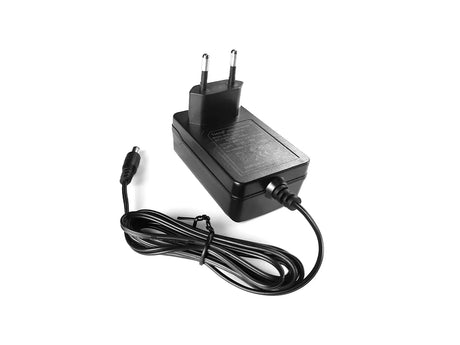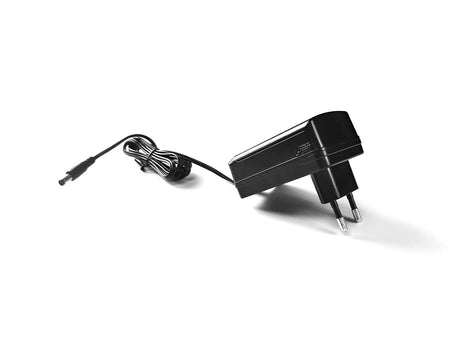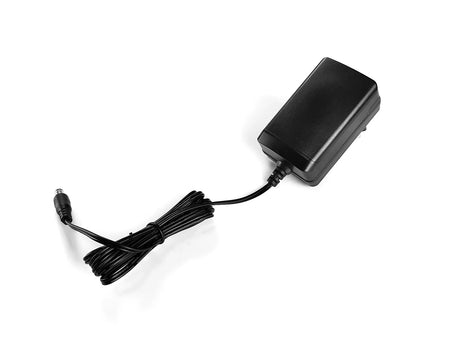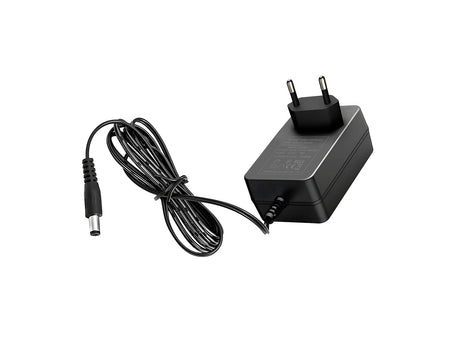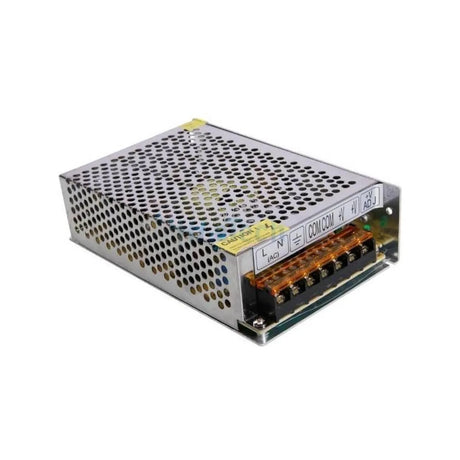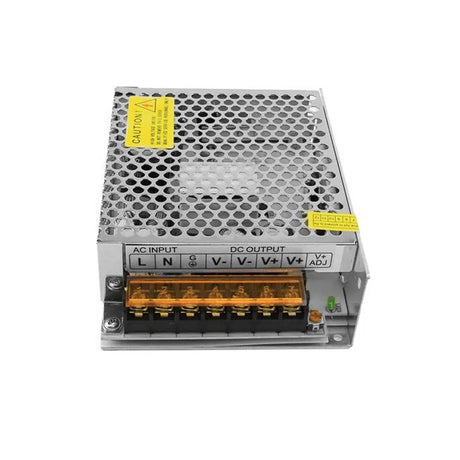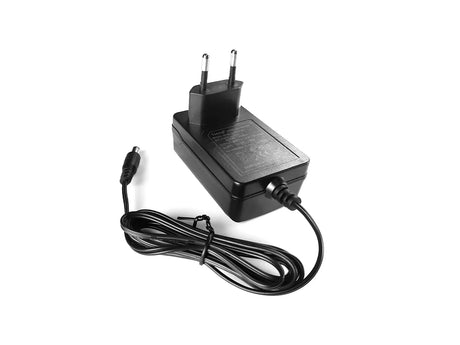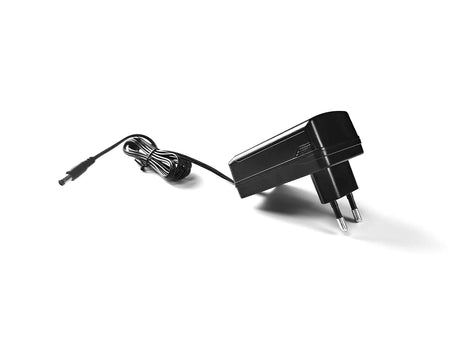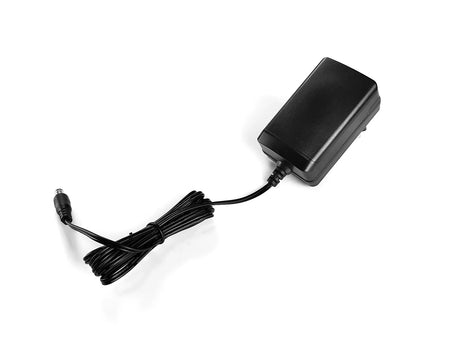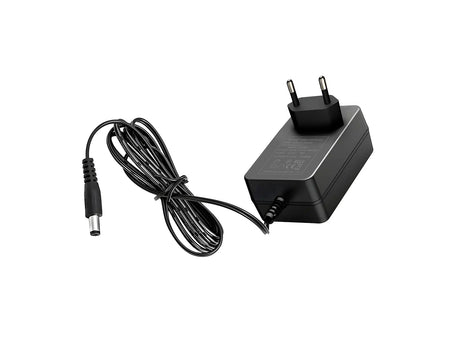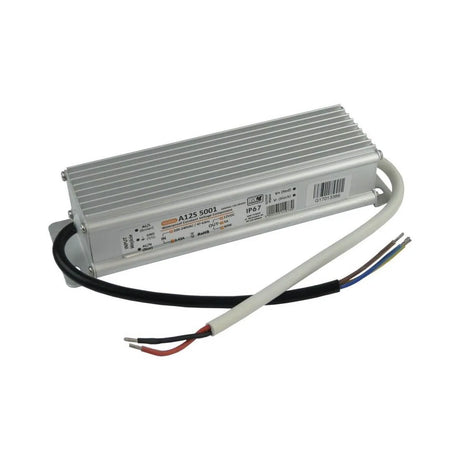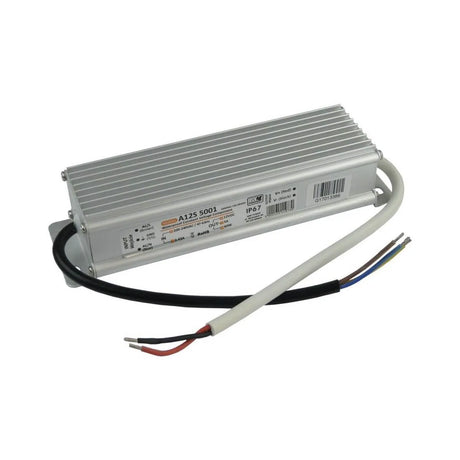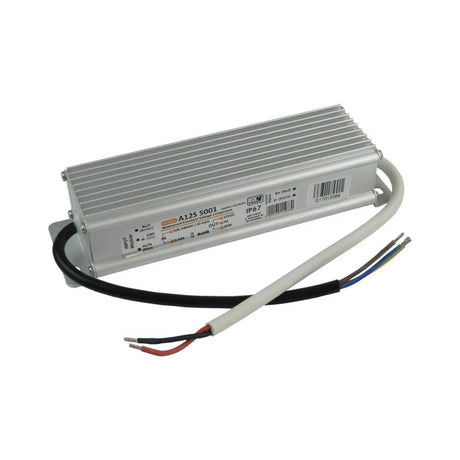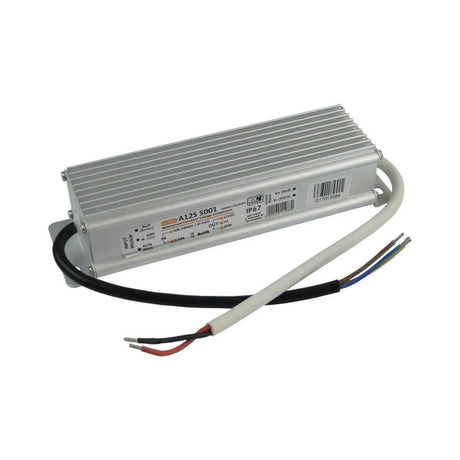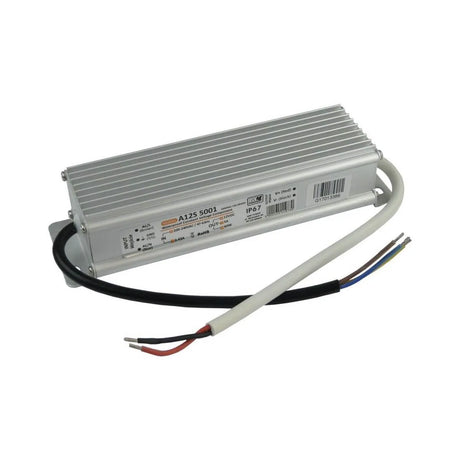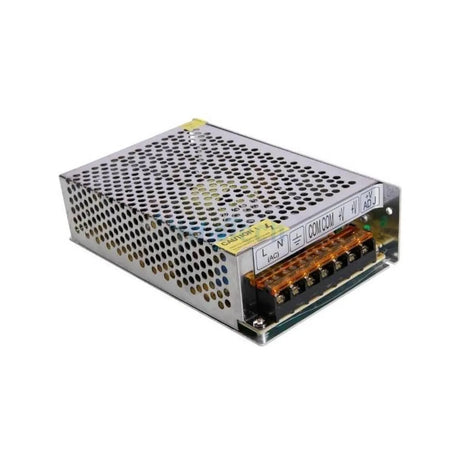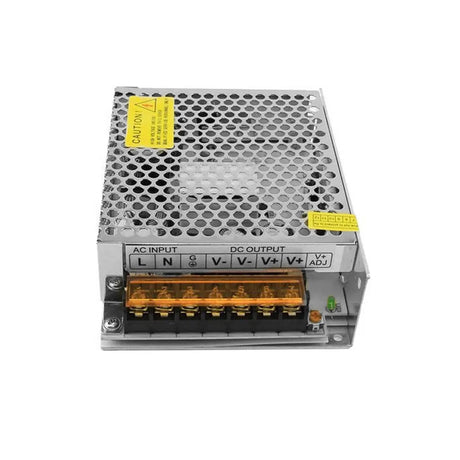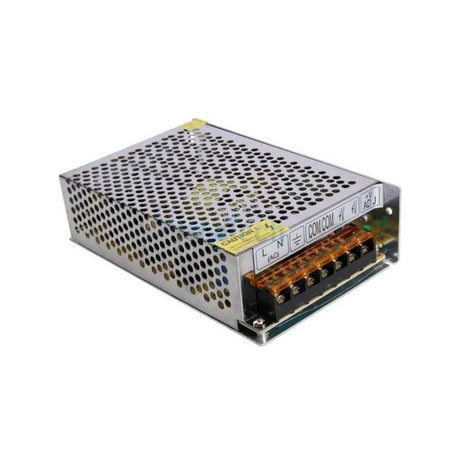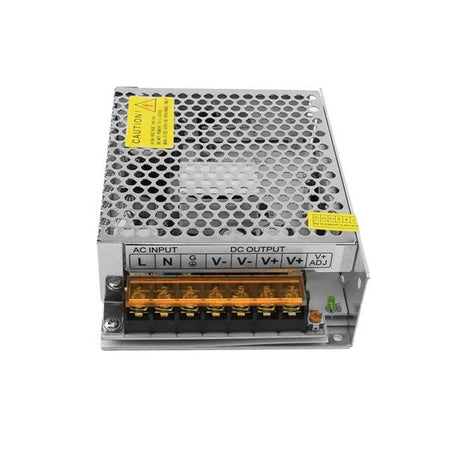



LED Strip Power Adapter with Plug 12V/24V | 48W
More power without a screw-terminal supply
In stockRegular priceFrom €1645 Incl. VATUnit price-
LED Strip Power Adapter with Plug 12V/24V | 24W
For lighting under cabinets or alongside a bed
In stockRegular priceFrom €945 Incl. VATUnit price -
LED Strip Power Adapter with Plug 12V/24V | 36W
One adapter for a full 5m roll of low-power strip
In stockRegular priceFrom €1445 Incl. VATUnit price LED Strip Driver 12V/24V | 100W
More capacity for a continuous indoor light run
In stockRegular price €2495 Incl. VATUnit price-
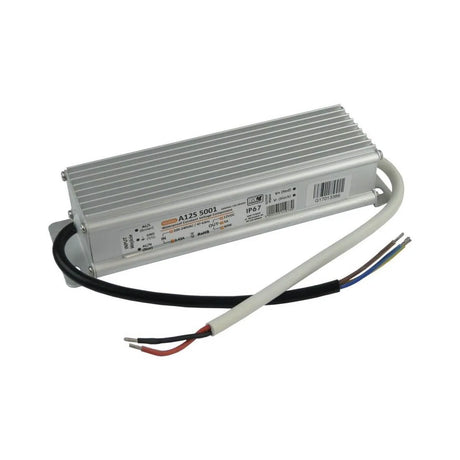
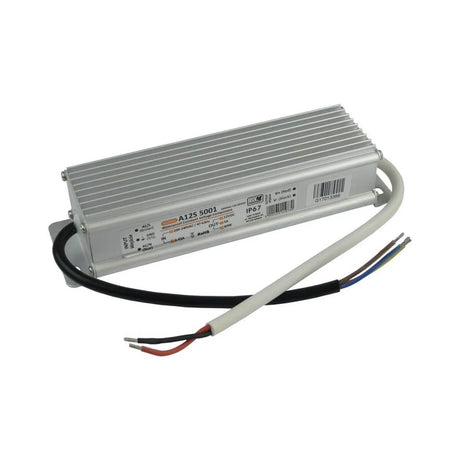
Waterproof LED Strip Driver IP67 12V/24V | 100W
Two voltage options for a sheltered installation
In stockRegular price €4500 Incl. VATUnit price-
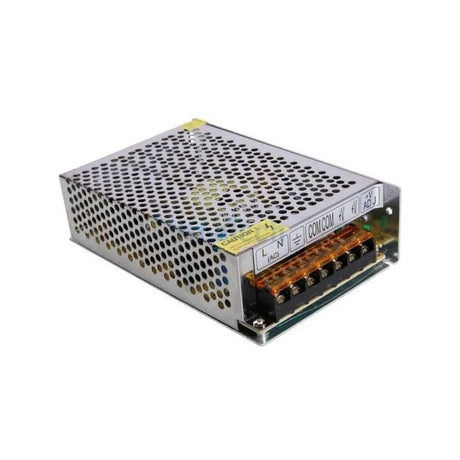
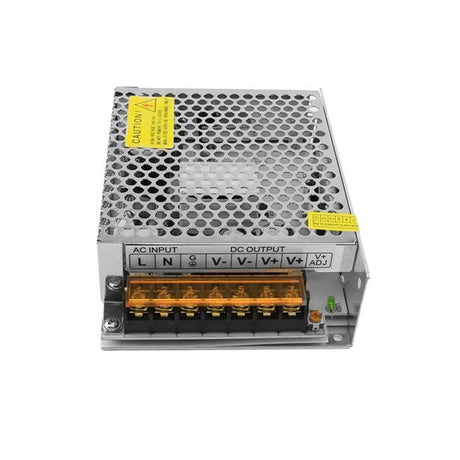
LED Strip Driver 12V/24V | 35W
Screw terminals for compact fixed indoor wiring
In stockRegular price €1800 Incl. VATUnit price-
LED Strip Power Adapter with Plug 12V/24V | 72W
For a complete COB light line rated 10W per metre
In stockRegular priceFrom €2295 Incl. VATUnit price-
-
LED Strip Power Adapter with Plug 12V/24V | 12W
Compact adapter for short light runs in dry indoor areas
In stockRegular priceFrom €745 Incl. VATUnit price LED Strip Driver 12V/24V | 60W
For a medium-sized light run with a fixed supply point
In stockRegular price €2000 Incl. VATUnit price-
Dimmable LED Strip Driver IP68 24V | 75W
Compact dimmable 24V LED driver for damp spaces and outdoor use
In stockRegular price €4795 Incl. VATUnit price-
LED Strip Power Adapter with Plug 12V/24V | 60W
Desktop adapter for a full 120 LEDs/m strip
In stockRegular priceFrom €1945 Incl. VATUnit price-
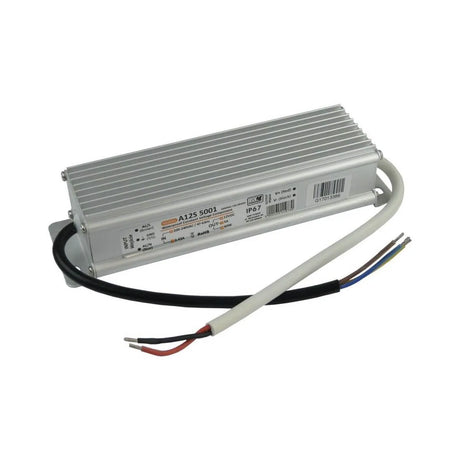
Waterproof LED Strip Driver IP67 12V | 30W
Compact supply for small outdoor 12V light runs
In stockRegular price €2000 Incl. VATUnit price
LED Strip Power Adapter with Plug 12V | 84W
12V adapter for LED lighting and electronics
Low stockRegular price €2995 Incl. VATUnit price
LED Strip Power Adapter with Plug 24V | 150W
24V adapter for LED lighting and electronics
In stockRegular price €4195 Incl. VATUnit price
LED Strip Power Adapter with Plug 24V | 96W
24V adapter for LED lighting and electronics
In stockRegular price €3495 Incl. VATUnit price
For several 12V light runs in dry indoor spaces
Low stockRegular price €16895 Incl. VATUnit priceMeanWell LED Strip Driver IP67 24V | 200W
24V driver for 200W lighting installations
Low stockRegular price €11295 Incl. VATUnit price-
MeanWell LED Strip Driver IP67 12V | 150W
12V driver for LED strips outdoors
In stockRegular price €7495 Incl. VATUnit price-
MeanWell LED Strip Driver IP20 12V | 100W
12V driver for LED strips indoors
In stockRegular price €2295 Incl. VATUnit price-
MeanWell LED Strip Driver IP20 24V | 150W
24V driver | For heavy indoor installations
Low stockRegular price €3395 Incl. VATUnit price-
Waterproof LED Strip Driver IP67 12V/24V | 150W
For larger fixed lighting in damp environments
In stockRegular price €6000 Incl. VATUnit price-
Waterproof LED Strip Driver IP67 12V | 60W
For water-resistant 12V light runs in damp areas
In stockRegular price €3500 Incl. VATUnit price-
LED Strip Driver 12V/24V | 200W
For larger indoor lighting installations
In stockRegular price €6500 Incl. VATUnit price-
LED Strip Driver 12V/24V | 145W
One central power supply for multiple LED strips
In stockRegular price €5000 Incl. VATUnit price-